Harnessing Solar Energy for a Sustainable Future
Discover how solar roofing can reduce your carbon footprint, the installation process, maintenance tips, and available incentives for homeowners.

As the world grapples with the urgent need to combat climate change, innovative solutions are emerging that promise not only to mitigate environmental impact but also to pave the way for a sustainable future. Among these solutions, harnessing solar energy stands out as a beacon of hope. This renewable energy source is not just a trend; it represents a paradigm shift in how we perceive and utilize energy, particularly in our homes. By investing in stands out as a beacon of hope. This renewable energy source is not just a trend; it represents a paradigm shift in how we perceive and utilize energy, particularly in our homes. By investing in roof-mounted solar panels, homeowners can significantly contribute to a reduction in carbon footprint, while simultaneously enjoying financial benefits and energy independence. The transition to solar energy is more than just an individual choice; it’s a collective movement towards sustainability.
With each rooftop panel installed, we take a step closer to reducing greenhouse gas emissions and preserving our planet for future generations. The environmental benefits of solar energy are profound, impacting air quality, wildlife, and natural resources. As we delve deeper into the myriad advantages of roof-mounted solar panels, we invite you to explore how this technology not only empowers homeowners but also plays a pivotal role in creating a cleaner, greener world. In recent years, the urgency of addressing climate change has prompted many to seek solutions that can effectively mitigate environmental impacts. One of the most significant contributors to greenhouse gas emissions is energy consumption, particularly from fossil fuels.
By utilizing renewable energy sources, such as solar power, homeowners can substantially reduce their carbon footprint.
Reduction in carbon footprint
is not just a personal benefit; it contributes to a larger collective effort towards a sustainable future.Solar roofing
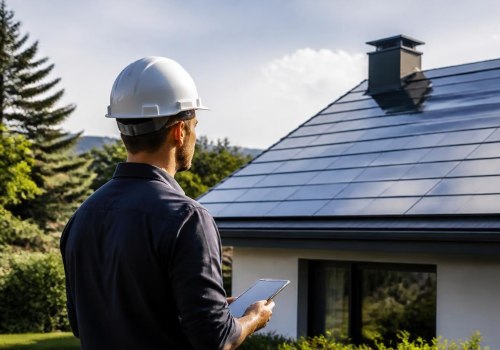
presents an attractive option for those looking to make a positive environmental impact. By harnessing the sun's energy, solar panels convert sunlight into electricity, thereby decreasing reliance on traditional energy sources that release harmful emissions. In fact, studies have shown that widespread adoption of solar energy could reduce carbon emissions by millions of tons annually.This transition not only supports global efforts to combat climate change but also empowers individuals to take charge of their energy consumption. The installation process of roof-mounted solar panels is straightforward, yet it requires careful planning and execution. The first step is to assess the suitability of your roof for solar installation. Factors such as roof orientation, pitch, and shading from nearby trees or buildings can influence the efficiency of solar panels. Once you’ve determined that your roof is suitable, the next step involves obtaining the necessary permits.
This often includes submitting plans to local authorities to ensure compliance with building codes and regulations. After securing permits, it's time for the actual installation. Professional installers will typically start by assessing your electrical system and mounting the panels using appropriate hardware. They will connect the solar panels to an inverter, which converts the direct current (DC) generated by the panels into alternating current (AC) that can be used in your home. Finally, the system is connected to your electrical panel and tested for functionality.
The entire installation process usually takes one to three days, depending on the size and complexity of the system. When considering roof-mounted solar panels, potential costs are a significant factor for homeowners. The initial installation cost can range from $15,000 to $30,000 before any incentives or rebates. However, it's crucial to look at this as a long-term investment. Many homeowners see a reduction in their monthly energy bills by 50% or more, leading to significant savings over time.
In some cases, solar systems can pay for themselves within six to eight years through these savings alone. Additionally, with rising electricity rates, the long-term financial benefits become even more pronounced. Maintenance of solar panels is relatively simple but essential for ensuring optimal performance over time. Regularly cleaning the panels to remove dust and debris helps maintain their efficiency. While rainfall can assist in cleaning them naturally, checking for any obstructions and ensuring that the panels are clear of snow or leaves is advisable.
Furthermore, scheduling periodic inspections with a qualified technician can help identify and address any potential issues before they become significant problems. For homeowners considering solar installations, eco-friendly roofing options are also available. These include materials like recycled shingles or reflective coatings that enhance energy efficiency while complementing solar panel systems. Combining sustainable roofing materials with solar technology not only maximizes environmental benefits but also enhances the aesthetic appeal of your home. Financial incentives play a crucial role in making solar roofing more accessible to homeowners. Many federal and state programs offer tax credits, rebates, and other financial incentives designed to encourage renewable energy adoption.
For instance, as of 2023, homeowners may qualify for a federal tax credit covering up to 26% of installation costs. Additionally, many states provide rebates that can significantly lower upfront costs. These incentives make transitioning to solar energy not only environmentally responsible but financially advantageous as well. Despite these benefits, some homeowners may have misconceptions or concerns regarding solar panel installations. Common worries include the belief that solar panels are too expensive or ineffective in cloudy regions.
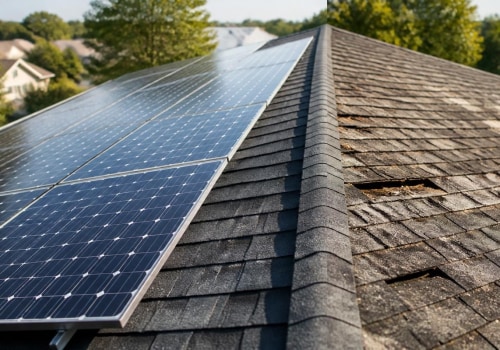
However, with advances in technology and financing options available today, solar energy has become more affordable than ever and can generate power even on overcast days. Another concern is that installing solar panels may damage roofs; however, when installed correctly by professionals, they can actually extend the life of your roof by protecting it from harsh weather elements. In conclusion, embracing solar energy through roof-mounted solar panels presents an effective way for homeowners to contribute towards a sustainable future while significantly reducing their carbon footprints. With an understanding of the installation process, associated costs, maintenance needs, eco-friendly options, available incentives, and addressing common misconceptions, homeowners can confidently invest in this renewable energy solution.
Cost Analysis and Savings
When considering a transition to solar energy, it is essential to conduct a thorough cost analysis to understand the financial implications of installing solar panels. The initial investment may seem daunting; however, the long-term savings on energy bills can significantly outweigh these upfront costs.The typical cost of installing solar panels can range from $15,000 to $25,000, depending on the size of the system and local installation prices. This price often includes components such as solar panels, inverters, and mounting hardware, as well as labor for installation. In many cases, homeowners can take advantage of federal and state incentives, which can reduce the overall cost by up to 30% or more. After installation, homeowners can expect substantial savings on their monthly energy bills. On average, solar panel systems can save homeowners between $10,000 to $30,000 over their lifetime, depending on their energy consumption and local electricity rates.
Additionally, many states offer net metering programs that allow homeowners to sell excess energy back to the grid, further enhancing financial benefits. Furthermore, the value of a home equipped with solar panels often increases. According to a report from the National Renewable Energy Laboratory, homes with solar energy systems sold for an average of $15,000 more than similar homes without solar. In conclusion, while the initial costs of solar panel installation may seem significant, the Additionally, many states offer net metering programs that allow homeowners to sell excess energy back to the grid, further enhancing financial benefits. Furthermore, the value of a home equipped with solar panels often increases. According to a report from the National Renewable Energy Laboratory, homes with solar energy systems sold for an average of $15,000 more than similar homes without solar. In conclusion, while the initial costs of solar panel installation may seem significant, the long-term savings and potential increase in property value make it a worthy investment for homeowners looking to reduce their carbon footprint and contribute to a more sustainable future.
Understanding Installation Processes
Installing roof-mounted solar panels is a structured process that ensures optimal performance and longevity of the system. The journey to harnessing solar energy begins with a thorough assessment of your home’s suitability for solar installation.Step 1: Initial Assessment
involves evaluating your roof's size, orientation, and shading. A professional installer will inspect the roof to determine if it receives enough sunlight throughout the day and if structural modifications are necessary.Step 2: Design and Planning
comes next, where the installer creates a tailored design for your solar panel system.This includes calculating the number of panels required based on your energy needs and selecting the appropriate type of solar panels.
Step 3: Obtaining Permits
is crucial, as local regulations may require specific permits before installation can begin. Your installer typically handles this step, ensuring compliance with all local laws and regulations.Step 4: Installation
involves mounting the solar panels on your roof. This step includes securing the mounting brackets, placing the panels, and connecting them to the inverter and electrical system.Step 5: Inspection
follows installation. Local authorities or an independent inspector will evaluate the work to ensure everything meets safety and code standards.Step 6: Activation
is the final step where your solar panel system is connected to the grid, allowing you to start generating clean energy.Your installer will guide you through monitoring your system’s performance and understanding energy savings. By understanding these key steps in the installation process, homeowners can feel more informed and empowered in their decision to adopt solar energy solutions.
Eco-Friendly Roofing Alternatives
As homeowners increasingly seek to reduce their carbon footprint, the importance of selecting eco-friendly roofing materials becomes paramount, especially when combined with solar installations. Traditional roofing materials can contribute significantly to environmental degradation, whereas sustainable alternatives offer a path toward greener living. One popular option is recycled roofing materials, which can include shingles made from reclaimed wood or rubber. These materials not only divert waste from landfills but also reduce the demand for new resources, making them an excellent choice for environmentally-conscious homeowners. Another innovative alternative is green roofs, which involve growing vegetation directly on the roof surface. This not only improves insulation and reduces energy costs but also absorbs carbon dioxide and contributes to urban biodiversity.Green roofs can be particularly effective when paired with solar panels, as they help keep the panels cool and efficient while providing additional environmental benefits.
Cool roofs
, designed to reflect more sunlight and absorb less heat than standard roofs, are another sustainable option. By minimizing heat absorption, cool roofs can lower energy consumption for air conditioning, thereby reducing overall carbon emissions. When integrated with solar installations, they enhance energy efficiency and extend the lifespan of the roofing material. Moreover, solar shingles are an emerging trend that combines roofing and solar technology into a single product. These shingles not only serve as the roof covering but also generate electricity, offering a seamless solution for homeowners looking to enhance their sustainability efforts. In conclusion, exploring these eco-friendly roofing alternatives provides homeowners with options that not only complement solar installations but also significantly contribute to reducing their overall carbon footprint.By making informed choices about roofing materials, individuals can play a crucial role in fostering a sustainable future.
Environmental Advantages of Solar Roofing
The adoption of solar roofing systems plays a crucial role in the fight against climate change, primarily through the significant reduction of greenhouse gas emissions. By harnessing the power of the sun, homeowners can generate clean, renewable energy, which directly decreases their reliance on fossil fuels. This shift not only helps in reducing carbon footprints but also contributes to cleaner air and a healthier environment. According to recent studies, the widespread installation of solar panels could prevent the release of millions of tons of carbon dioxide into the atmosphere each year. Specifically, for every kilowatt-hour of solar energy produced, approximately one pound of carbon dioxide emissions is avoided.This statistic underscores the profound impact that solar roofing can have on reducing greenhouse gas emissions.Moreover, as more homeowners opt for solar energy solutions, there is a cascading effect that leads to a greater demand for renewable energy sources. This shift not only fosters innovation within the renewable sector but also encourages governments and industries to invest more in sustainable practices. Ultimately, this collective effort aims to mitigate climate change and promote a sustainable future for all. In addition to reducing greenhouse gases, solar roofing systems contribute to improved air quality by minimizing pollutants associated with traditional energy production. Power plants that rely on coal and natural gas emit harmful substances like sulfur dioxide and nitrogen oxides, which can lead to respiratory problems and other health issues.
By transitioning to solar energy, we can significantly decrease these harmful emissions, resulting in cleaner air and better public health. In summary, the environmental advantages of solar roofing extend far beyond just energy savings. They represent a vital step towards achieving a sustainable future by significantly reducing greenhouse gas emissions and contributing to cleaner air, making them an essential consideration for any environmentally conscious homeowner.
Maintenance Essentials for Longevity
To ensure your solar panels operate at peak efficiency and enjoy a long lifespan, regular maintenance is essential. Here are some key tips to help you maintain your system effectively.Regular Cleaning
is crucial for solar panels. Dust, debris, and bird droppings can accumulate on the surface, blocking sunlight and reducing energy production.Depending on your location, a thorough cleaning once or twice a year is typically sufficient. Use a soft brush and a mixture of water and mild soap to gently clean the panels, avoiding harsh chemicals that could damage the surface. Next, it’s important to inspect for damage. Regularly check your solar panels for any signs of cracks, chips, or other physical damage. If you notice any issues, contact a professional for repairs to prevent further complications.
Monitoring Performance
is another key aspect of maintenance.Keep an eye on the energy output of your solar panels. Most systems come with monitoring tools that can alert you to any significant drops in performance, which could indicate a problem that needs addressing. Additionally, ensure that the inverter, which converts the direct current (DC) produced by the panels into alternating current (AC) for your home, is functioning correctly. An inverter typically has a lifespan of 5 to 10 years and may require replacement during the life of your solar panel system. Finally, consider scheduling an annual professional inspection. Having a qualified technician evaluate your solar panel system can help identify potential issues before they become major problems, ensuring the longevity and efficiency of your investment.
Incentives and Financial Aid Options
As homeowners consider the transition to solar energy, understanding the incentives and financial aid options available can significantly enhance the appeal of investing in solar panels.Various programs exist at both federal and state levels to encourage the adoption of renewable energy solutions, making it more accessible for homeowners. One of the most notable incentives is the Federal Solar Investment Tax Credit (ITC), which allows homeowners to deduct a substantial percentage of their solar panel installation costs from their federal taxes. Currently, this credit stands at 26% for systems installed by the end of 2022, with a planned decrease in subsequent years. This significant tax break can make a considerable difference in the overall cost of solar installation. Additionally, many states offer their own tax credits or rebates. For instance, states like California, New York, and Massachusetts have robust programs that provide financial incentives for solar installation.
Homeowners should check with their state’s energy department or local utility companies to learn about specific rebates that may apply. Furthermore, some local governments and municipalities provide property tax exemptions for solar panel installations. This means that homeowners can install solar panels without increasing their property taxes, thus ensuring that their investment does not lead to higher annual costs. Lastly, utility companies may also offer performance-based incentives or rebates for homeowners who install solar systems. These programs vary widely but can provide ongoing financial benefits based on the amount of electricity generated by the solar panels. By taking advantage of these incentives and financial aid options, homeowners can significantly reduce their upfront costs and accelerate their journey toward a more sustainable future. In conclusion, adopting solar energy through roof-mounted solar panels is a significant step towards reducing carbon footprints and combating the climate crisis. We explored various aspects including the environmental advantages of solar roofing, the installation processes, and the cost analysis that highlights potential savings for homeowners.
Furthermore, we discussed maintenance essentials for ensuring longevity, eco-friendly roofing alternatives, and the numerous incentives available to encourage this transition. By investing in solar energy, homeowners not only contribute to a healthier planet but also enjoy long-term economic benefits. With the current push towards sustainability, there has never been a more opportune time to consider how solar roofing can transform your home. We encourage you to explore local incentives and take proactive steps towards a more sustainable future. Every small action counts in the journey towards reducing our collective carbon footprint.