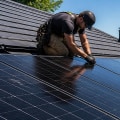
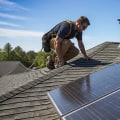
As the popularity of solar energy continues to rise, homeowners are increasingly embracing the benefits of solar roofingsolar roofing. However, with great energy savings comes great responsibility, and knowing when to call a professional is crucial for maintaining your investment. While some tasks related to solar panel maintenance may seem straightforward, others require the expertise of a qualified technician to ensure safety and efficiency. Many homeowners wonder what specific issues warrant a call to a professional. Is it time to seek help when you notice a drop in energy production? What about those pesky leaks or unusual sounds coming from your solar system? Understanding the signs that indicate you need expert assistance can save you time, money, and unnecessary frustration. In this article, we will delve into the key scenarios where calling a professional is not just beneficial but necessary for your solar roofing system.
By identifying these situations, you’ll be better equipped to protect your investment and ensure optimal performance from your solar panels. Let’s explore the telltale signs and scenarios that signal it’s time to reach out for professional help!The growing interest in solar energy and solar roofing is evident as more homeowners seek sustainable and cost-effective energy solutions. However, while the appeal of installing solar panels can be strong, there are several crucial aspects that necessitate professional intervention. Understanding when to call a professional is vital to ensure safety, efficiency, and compliance with regulations. One of the first considerations is evaluating the roof's structural integrity.
Solar panels can be heavy, and not every roof is equipped to handle the additional weight. A professional installer can assess whether the existing structure can support the solar system or if reinforcements are necessary. This evaluation often requires knowledge of local building codes and regulations regarding weight limits, which can vary significantly from one area to another. Another essential factor is assessing energy needs. Homeowners might have a general idea of their energy consumption, but a professional can conduct a thorough analysis to determine the appropriate system size.
This assessment involves calculating peak energy usage, factoring in future changes in energy needs, and understanding how solar production will align with those needs throughout the year. Misjudging this aspect can lead to underperformance or overspending on a system that is either too small or too large. The installation process itself contains numerous steps that should be handled by professionals. For instance, the electrical connections involved in integrating solar panels with a home’s electrical system require specialized knowledge and expertise. Incorrect wiring can lead to safety hazards, including electrical fires or system malfunctions.
Additionally, professionals understand how to size the inverter correctly, ensuring that it matches the output from the solar panels while also meeting local grid requirements. Consider the potential pitfalls that arise from DIY attempts at solar panel installation. Many homeowners underestimate the complexity of working with electrical systems or fail to obtain necessary permits. For example, a homeowner might choose to bypass professional guidance and attempt to connect their solar system directly to their home’s electrical panel without adequate safety measures. This mistake could not only void warranties but also pose serious safety risks, including electrocution or damage to household appliances. Maintenance challenges also arise over time, making it crucial for homeowners to recognize when to seek professional help for repairs or upgrades.
Solar panels require periodic cleaning and inspections to maintain optimal efficiency. Homeowners may struggle with understanding when they need assistance—whether it's addressing a sudden drop in energy production or dealing with physical damage from severe weather events. A certified professional can provide the necessary maintenance checks and repairs, ensuring that the solar system operates at peak performance. In addition to performance maintenance, homeowners should consider eco-friendly options available for their solar roofing systems. Utilizing sustainable materials and energy-efficient components not only benefits the environment but may also enhance overall system efficiency and longevity.
Certified installers often have access to these eco-friendly products and are knowledgeable about local incentives or rebates associated with them. Lastly, using certified installers is crucial for optimal performance and warranty adherence. Many manufacturers require installations to be completed by certified professionals for warranties to remain valid. This requirement underscores the importance of engaging qualified experts who are well-versed in industry standards and best practices. In conclusion, while DIY projects can be tempting for homeowners looking to cut costs, there are numerous aspects of solar roofing that necessitate professional intervention. From evaluating structural integrity and assessing energy needs to navigating complex installation processes and maintenance challenges, enlisting the help of experienced professionals ensures safety, efficiency, and compliance with regulations—ultimately leading to a successful solar energy experience.
Routine Maintenance and Troubleshooting
As solar energy continues to gain popularity, homeowners are often faced with the decision of when to call a professional for their solar roofing needs.Regular maintenance is essential for ensuring the longevity and efficiency of solar panels, but understanding which tasks can be handled independently and which require expert intervention is crucial. Homeowners can typically perform basic maintenance tasks such as cleaning the solar panels and inspecting the system for visible issues. Keeping the panels free from debris, dirt, and snow can help maintain optimal performance. Additionally, a visual inspection to check for loose connections or any signs of wear can be managed without professional help. However, some tasks are best left to certified professionals. For instance, if homeowners notice significant drops in energy production or suspect damage from severe weather, it’s time to call in an expert.
Electrical issues, such as faulty wiring or inverter problems, require specialized knowledge to diagnose and repair safely. Furthermore, navigating local regulations and ensuring compliance with safety standards can be complex. Professionals are trained to handle these aspects efficiently, thus protecting homeowners from potential legal complications. In summary, while regular cleaning and basic inspections can be done by homeowners, it’s essential to recognize the signs that indicate when it’s appropriate to seek professional assistance for more complicated maintenance or troubleshooting issues.
Assessing Your Roof's Condition
Before deciding to install solar panels, it is essential to evaluate your roof's condition. A well-maintained roof is crucial for the effective functioning of solar panels.Consulting a professional
can provide you with insights into whether your roof can support the weight and installation of solar panels. Start by checking the age of your roof.If your roof is nearing the end of its lifespan, it may require repairs or replacement before solar panel installation. A professional can assess the overall structure, including any signs of damage, such as missing shingles or leaks, that could impact the installation. Next, evaluate the roof's material. Different materials have varying levels of durability and suitability for solar panels. For instance, asphalt shingles are generally compatible, while tile or slate roofs may require special mounting solutions.
A professional assessment can help identify if your roof material is appropriate for solar panel installation. Additionally, consider the pitch and orientation of your roof. Ideally, solar panels should be placed on a south-facing slope for maximum sunlight exposure. If your roof does not meet these criteria, consulting a solar energy expert can offer alternatives or solutions tailored to your situation. Finally, if you notice any structural concerns or have doubts about your roof's integrity, it’s best to call a professional. They can conduct a thorough inspection and provide recommendations that ensure both safety and optimal performance for your solar energy system.
Understanding Installation Complexity
As the adoption of solar energy continues to rise, many homeowners are considering solar roofing as a viable option to reduce energy costs and minimize their carbon footprint.However, the complexity of solar panel installation cannot be underestimated. Certain aspects of the installation process require specialized knowledge and skills that only trained professionals possess. One of the primary tasks that should be left to experts is electrical work. Connecting solar panels to your home’s electrical system involves understanding local codes, safety protocols, and technical specifications. Incorrect connections can lead to serious hazards, including electrical fires or system malfunctions.
Professionals ensure that all electrical work complies with regulations and operates safely. Additionally, any structural modifications needed to accommodate solar panels should also be handled by professionals. This may involve reinforcing roofs or making alterations that affect the integrity of your home. A qualified installer will assess your roof's condition and recommend necessary changes, ensuring that your solar system is securely mounted and able to withstand weather conditions. Furthermore, professionals have access to the latest technology and tools that make installation more efficient and effective. They can also navigate potential challenges that might arise during the installation process, including sourcing permits or dealing with unexpected structural issues. In summary, while DIY projects can be rewarding, when it comes to solar roofing installation, it is essential to recognize the complexity of certain tasks.
Leaving electrical work and structural modifications to qualified professionals ensures not only compliance with regulations but also the safety and efficiency of your solar energy system.
Navigating Incentives and Regulations
As homeowners explore the benefits of solar energy, understanding the landscape of local regulations and incentives becomes crucial. Each state or municipality may have specific rules governing the installation of solar panels, which can include zoning laws, building codes, and safety standards. This is where the expertise of a professional can be invaluable. They are often well-versed in the local regulations that apply to solar roofing, ensuring that installations comply with all necessary guidelines. Additionally, many areas offer incentives, such as tax credits, rebates, or grants, to encourage homeowners to adopt solar energy.However, the process to access these benefits can be complex and may require specific paperwork or adherence to certain criteria. A professional can not only help navigate these incentives but also assist in gathering the necessary documentation to maximize the financial benefits available. By consulting with an expert, homeowners can avoid potential pitfalls and ensure they are taking full advantage of available resources. Furthermore, some jurisdictions may require permits before installation can begin. This process can involve inspections and approvals, which may be time-consuming and confusing for those unfamiliar with local laws.
Professionals typically handle these aspects of the installation process, providing peace of mind that everything is being done correctly and legally. Ultimately, understanding and navigating incentives and regulations is not only about compliance but also about optimizing the investment in solar roofing. Homeowners who seek professional assistance can ensure their systems are installed efficiently while also benefiting from available financial incentives.
Assessing Your Roof's Condition
Before installing solar panels, it is crucial to evaluate the condition of your roof. A well-maintained roof not only supports the weight of the solar installation but also ensures the longevity and efficiency of your solar energy system. Start by inspecting your roof for any visible signs of damage, such as missing shingles, cracks, or water stains. If your roof is more than 20 years old or has experienced severe weather, it may be wise to consult a professional.An expert can provide a thorough assessment and recommend necessary repairs or reinforcements. Another factor to consider is the roofing material. Certain materials, like asphalt shingles, are generally compatible with solar panels, while others, such as thatch or clay tiles, may require special mounting techniques. Consulting with a roofing professional can help determine if your existing material is suitable for solar panel installation. Additionally, evaluate the angle and orientation of your roof. Ideally, solar panels should be installed on a south-facing slope with an angle between 15 and 40 degrees for optimal sun exposure.
If your roof does not meet these criteria, a professional can help explore alternative options, such as ground-mounted systems. If you notice signs of structural issues, such as sagging or uneven surfaces, it’s essential to contact a roofing specialist immediately. These problems could compromise both the safety of the installation and the effectiveness of your solar energy system. In summary, assessing your roof's condition is a critical step in the solar panel installation process. If you have any doubts about your roof's suitability or condition, seeking professional advice is advisable to ensure a safe and efficient solar energy solution.
Assessing Your Roof's Condition
When considering the installation of solar panels, assessing your roof's condition is a crucial first step. A roof that is in poor condition or nearing the end of its lifespan may not be suitable for solar panel installation.Before making any decisions, it is important to conduct a thorough evaluation of your roof. Start by inspecting the roof for visible damage such as missing shingles, leaks, or significant wear and tear. Look for signs of sagging or structural issues, which could indicate deeper problems that need to be addressed. If you notice any of these issues, it is advisable to consult a professional roofer who can provide an expert assessment of your roof's integrity. Additionally, consider the age of your roof. Most roofing materials have a lifespan ranging from 20 to 50 years, depending on the type.
If your roof is approaching this age limit, it may be wise to replace it before installing solar panels. A new roof will not only ensure that your solar system is installed on a solid foundation but also help avoid potential issues in the future. Another factor to consider is the angle and orientation of your roof. Ideally, solar panels should be installed on a south-facing slope to maximize sun exposure. If your roof does not meet these criteria or if it has shading issues from nearby trees or buildings, consulting with a solar energy professional can provide insights into feasible solutions. In summary, evaluating your roof's condition is essential before proceeding with solar panel installation.
If you find significant issues or are unsure about the suitability of your roof, do not hesitate to call in an expert. They can help you determine whether repairs or a full replacement is necessary and guide you through the process of optimizing your home for solar energy. In conclusion, knowing when to call a professional for solar roofing is crucial for any homeowner considering or maintaining solar energy systems. While the allure of DIY projects can be strong, it's essential to recognize that professional expertise not only guarantees safety but also ensures compliance with local regulations and maximizes the efficiency of your solar setup. Understanding the complexities involved in installation, routine maintenance, and troubleshooting can significantly impact the longevity and effectiveness of your solar panels.
When faced with uncertainty or challenges, reaching out to a qualified professional can save time, money, and potential headaches in the long run.