In today's world, where energy costs continue to rise and environmental concerns become increasingly urgent, homeowners are searching for effective solutions to reduce their expenses while contributing to a sustainable future. One of the most promising options available is the reduction in electricity bills through innovative technologies like solar roofing. As we explore the financial benefits of roof-mounted solar panels, it becomes evident that investing in solar energy is not just a trend; it is a smart financial decision that can lead to significant long-term savings. Imagine harnessing the power of the sun to not only power your home but also to significantly decrease your monthly electricity expenditures. With advancements in solar technology and attractive government incentives, making the switch to solar roofing has never been more accessible or beneficial. through innovative technologies like solar roofing. As we explore the financial benefits of roof-mounted solar panels, it becomes evident that investing in solar energy is not just a trend; it is a smart financial decision that can lead to significant long-term savings. Imagine harnessing the power of the sun to not only power your home but also to significantly decrease your monthly electricity expenditures. With advancements in solar technology and attractive government incentives, making the switch to solar roofing has never been more accessible or beneficial. . As we explore the financial benefits of roof-mounted solar panels, it becomes evident that investing in solar energy is not just a trend; it is a smart financial decision that can lead to significant long-term savings. Imagine harnessing the power of the sun to not only power your home but also to significantly decrease your monthly electricity expenditures. With advancements in solar technology and attractive government incentives, making the switch to solar roofing has never been more accessible or beneficial. through innovative technologies like solar roofing. As we explore the financial benefits of roof-mounted solar panels, it becomes evident that investing in solar energy is not just a trend; it is a smart financial decision that can lead to significant long-term savings. Imagine harnessing the power of the sun to not only power your home but also to significantly decrease your monthly electricity expenditures. With advancements in solar technology and attractive government incentives, making the switch to solar roofing has never been more accessible or beneficial.
This article will delve into how you can maximize your savings with solar roofing solutions, effectively transforming your roof into a powerhouse of energy efficiency. Join us as we uncover the myriad of financial advantages that come with roof-mounted solar panels, from tax credits and rebates to long-term utility savings. The journey towards lower electricity bills starts here, and it’s time to explore how you can make your home more energy-efficient while enjoying the rewards of sustainable living. The rising costs of electricity are becoming a significant concern for homeowners across the country. As utility rates continue to climb, more individuals are exploring renewable energy solutions to help combat these escalating expenses. One particularly effective method is through solar roofing, which provides homeowners with a practical means of reducing their energy bills while simultaneously promoting environmental sustainability.
By investing in solar panels, homeowners can not only enjoy immediate financial relief but also contribute to a greener future. One of the primary ways that solar roofing contributes to reduced electricity bills is by harnessing the power of the sun to generate electricity for home use. Solar panels convert sunlight into usable energy, which can significantly decrease reliance on traditional energy sources. This reduction in dependency not only leads to lower monthly utility bills but also offers the potential for energy independence. Homeowners can enjoy the peace of mind that comes with knowing they are generating their own power. In addition to immediate financial savings, installing solar panels can increase the overall value of a home.
Properties equipped with solar roofing are often more attractive to buyers due to their potential for reduced energy costs and sustainable living. According to various studies, homes with solar installations tend to sell at a premium compared to those without, making it a wise long-term investment. The environmental impact of utilizing solar energy cannot be overstated. By reducing reliance on fossil fuels, homeowners contribute to a decrease in carbon emissions, helping to combat climate change and protect the planet for future generations. The shift toward renewable energy solutions like solar roofing is essential as we strive for a more sustainable way of living. The installation process for solar roofing typically begins with an assessment of the property.
This involves evaluating the roof’s condition, orientation, and shading to determine its suitability for solar panels. Professional installers will conduct a thorough analysis, which is crucial for ensuring optimal performance once the system is operational. After the initial assessment, homeowners can expect a detailed proposal outlining costs, expected savings, and system specifications. The actual installation involves several steps, including mounting the solar panels, connecting them to an inverter, and integrating the system with the home’s electrical grid. It is essential that this process is handled by certified professionals who can guarantee safety and efficiency.
A poorly installed system may result in underperformance or damage, negating potential savings. Once installed, maintaining solar panels is vital for ensuring their longevity and efficiency. Regular cleaning is important as dirt and debris can obstruct sunlight and reduce energy production. Homeowners should also schedule periodic inspections to check for any potential issues such as loose connections or damage from weather events. Following manufacturer guidelines for maintenance can help keep solar systems running smoothly and efficiently. When considering solar roofing, it is essential to weigh the associated costs against potential savings over time.
While the initial investment may seem daunting, many homeowners find that their energy savings quickly offset these expenses. Various financing options, such as solar loans and leasing programs, can make solar more accessible by reducing upfront costs. Additionally, many states offer incentives, rebates, and tax credits aimed at encouraging homeowners to invest in renewable energy solutions. These financial benefits can significantly enhance the return on investment associated with solar installations. For instance, federal tax credits allow homeowners to deduct a percentage of the installation cost from their federal taxes, further decreasing the overall expense. To complement solar roofing, eco-friendly roofing options are becoming increasingly popular among environmentally-conscious homeowners.
Materials such as recycled shingles or green roofs not only enhance aesthetic appeal but also improve insulation and energy efficiency. By combining these sustainable roofing choices with solar panels, homeowners can maximize their energy savings while minimizing their ecological footprint. In summary, solar roofing presents an excellent opportunity for homeowners looking to reduce electricity bills while contributing positively to the environment. With proper installation and maintenance, solar panels can provide lasting financial benefits and increased property value, making them a wise long-term investment. presents an excellent opportunity for homeowners looking to reduce electricity bills while contributing positively to the environment. With proper installation and maintenance, solar panels can provide lasting financial benefits and increased property value, making them a wise long-term investment.
Installation Process Explained
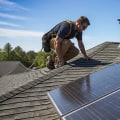
Installing roof-mounted solar panels involves several important steps that ensure a successful and efficient setup. The process typically begins with a site assessment, where professionals evaluate your roof's condition, orientation, and shading to determine the best solar solution for your home. Next, a design phase takes place, during which solar engineers create a custom plan tailored to your energy needs and roof specifications.This design includes the placement of panels, inverter locations, and any necessary electrical upgrades. Once the design is finalized, the installation team will obtain any required permits from local authorities. This step is crucial to ensure that the installation complies with local building codes and regulations. The actual installation begins with roof preparation. This may involve reinforcing the roof structure if needed and ensuring that the surface is clean and ready for mounting. The solar panels are then installed using a racking system that secures them firmly to the roof. After the panels are in place, electrical connections are made, linking the solar panels to the inverter, which converts the direct current (DC) generated by the panels into alternating current (AC) for use in your home. Finally, a thorough inspection is performed to ensure everything is working correctly before the system is activated.
Homeowners can then enjoy the benefits of reduced electricity bills while contributing to a more sustainable future.
Cost Analysis and Savings
When considering reduction in electricity bills, it is essential to conduct a thorough cost analysis before investing in solar roofing solutions. The initial installation costs can vary significantly based on factors such as the size of your roof, the type of solar panels chosen, and local installation fees. On average, homeowners can expect to pay between $15,000 and $30,000 for a complete solar panel system. However, this upfront cost can be offset by various financing options, including solar loans or leases, which allow homeowners to spread out payments over time. In addition to installation costs, it's important to evaluate the potential long-term savings that come with switching to solar energy.By generating your own electricity, you can significantly decrease your reliance on the grid and reduce your monthly energy bills. Depending on your location and energy consumption, many homeowners report savings of 50% or more on their electricity costs once their solar systems are operational. Furthermore, government incentives such as tax credits and rebates can dramatically lower the effective cost of installation. For instance, the federal solar tax credit allows homeowners to deduct a percentage of their solar panel installation costs from their federal taxes, making the transition to solar even more financially appealing. Over time, these savings, combined with rising electricity rates, can lead to substantial financial benefits. Ultimately, while the initial investment in solar roofing may seem daunting, the potential for By generating your own electricity, you can significantly decrease your reliance on the grid and reduce your monthly energy bills. Depending on your location and energy consumption, many homeowners report savings of 50% or more on their electricity costs once their solar systems are operational. Furthermore, government incentives such as tax credits and rebates can dramatically lower the effective cost of installation. For instance, the federal solar tax credit allows homeowners to deduct a percentage of their solar panel installation costs from their federal taxes, making the transition to solar even more financially appealing. Over time, these savings, combined with rising electricity rates, can lead to substantial financial benefits. Ultimately, while the initial investment in solar roofing may seem daunting, the potential for reduction in electricity bills and environmental benefits positions it as a sound long-term investment for many homeowners.
Incentives and Rebates Available
When considering a transition to solar energy, understanding the incentives and rebates available can significantly enhance the financial feasibility of solar roofing solutions.Both federal and state governments have recognized the importance of renewable energy and are providing various financial incentives to encourage homeowners to adopt solar technologies. At the federal level, the Investment Tax Credit (ITC) allows homeowners to deduct a substantial percentage of their solar installation costs from their federal taxes. As of 2023, this credit stands at 26%, making it an essential factor in reducing the overall expenses associated with solar panel installation. In addition to federal incentives, many states offer their own set of programs aimed at promoting solar energy use. For instance, states like California, New York, and Massachusetts provide state tax credits, cash rebates, and even performance-based incentives. These incentives can vary significantly by location, so it's crucial for homeowners to research what their specific state offers. Furthermore, some local utilities provide additional rebates or incentives for customers who install solar panels, which can further reduce upfront costs.
It's also worth noting that net metering policies allow homeowners with solar panels to sell excess electricity back to the grid, providing another avenue for savings on electricity bills. By leveraging these incentives and rebates, homeowners can make a more informed decision about investing in solar roofing solutions while maximizing their potential savings.
Eco-Friendly Roofing Options
When considering solar roofing solutions, it is essential to choose roofing materials that not only support the installation of solar panels but also align with eco-friendly practices. Homeowners looking to maximize their investment in solar energy should consider a few key roofing materials that are particularly conducive to solar panel installations.Metal roofs
are one of the best options for solar installations. Their durability and longevity make them an excellent choice for supporting solar panels. Additionally, metal roofs are often made from recycled materials and can be fully recycled at the end of their life cycle, making them an environmentally friendly option.Tile roofs
, especially those made from clay or concrete, are also compatible with solar installations.These materials are known for their durability and can withstand harsh weather conditions. Furthermore, tile roofs have a longer lifespan compared to traditional asphalt shingles, reducing the need for frequent replacements and waste. Another option is asphalt shingles, which are commonly used in residential roofing. While they may not be as eco-friendly as metal or tile roofs, there are eco-friendly asphalt shingles available that incorporate recycled materials and are designed to be more sustainable. These shingles can support solar panels effectively when installed correctly. For homeowners interested in a truly green solution, green roofs can also be considered.
These living roofs provide insulation and reduce energy costs while supporting solar panel installations. However, they require careful planning and maintenance to ensure they function effectively in conjunction with solar technology. In conclusion, selecting the right roofing materials is crucial for maximizing the benefits of solar roofing solutions. Not only do these materials support effective solar panel installation, but they also contribute to a more sustainable future, ultimately leading to significant savings on electricity bills.
Understanding Solar Energy Benefits
Solar energy offers a multitude of benefits for homeowners seeking to reduce their electricity bills. By harnessing the power of the sun, solar panels convert sunlight into usable electricity, significantly decreasing reliance on traditional energy sources.This transition not only leads to substantial cost savings but also promotes environmental sustainability. One of the most compelling advantages of solar energy is the potential for reduction in electricity bills. With solar panels installed, homeowners can generate their own electricity, which means less money spent on utility bills. Many homeowners report savings of 50% or more on their monthly energy expenses after switching to solar. In addition to financial savings, utilizing solar energy contributes to a cleaner environment. By opting for renewable energy, homeowners reduce their carbon footprint and help combat climate change.
This shift is crucial as society increasingly recognizes the need for sustainable energy solutions. Another benefit is the long-term investment aspect of solar roofing. While the initial installation costs may seem high, the return on investment (ROI) can be significant over time. Homeowners can expect their solar systems to pay for themselves through reduction in electricity bills, tax credits, and potential rebates offered by government programs. Moreover, solar panels can increase property value. Homes equipped with solar energy systems are often more attractive to buyers, providing an additional financial incentive for those considering a move in the future. Lastly, advancements in technology have made solar energy systems more efficient and accessible than ever before.
With various financing options available, including loans and leasing plans, homeowners can find a solution that fits their budget and lifestyle. In summary, embracing solar energy not only leads to significant reduction in electricity bills but also fosters environmental stewardship and enhances property value, making it a wise choice for homeowners looking to maximize savings.
Maintenance for Longevity
To ensure that your solar roofing system operates at peak efficiency, regular maintenance is essential. By taking proactive steps, homeowners can maximize their investment and enjoy significant reduction in electricity bills. Here are some important tips for maintaining your solar panels:1.Regular Cleaning: Dust, dirt, and debris can accumulate on the surface of solar panels, blocking sunlight and reducing their efficiency. Depending on your location, it's advisable to clean your panels at least once or twice a year.You can use a soft cloth or sponge with mild soap and water to gently scrub the surface. For hard-to-reach areas, consider hiring a professional cleaning service.
2.Monitor Performance:
Keep an eye on your solar system's performance through monitoring tools provided by your installation company. This will help you identify any drops in efficiency or potential issues early on. Many systems come with apps or software that allow you to track energy production in real-time.3.Inspect for Damage:
Periodically inspect your solar panels for any signs of damage, such as cracks or loose connections.If you notice any issues, contact a professional installer to assess and repair the problem promptly.
4.Trim Surrounding Vegetation:
Ensure that trees or shrubs near your solar panels do not cast shadows over them. Regularly trimming back any overhanging branches will help maintain optimal sunlight exposure.5.Check Inverter Functionality:
The inverter is a crucial component of your solar system that converts sunlight into usable electricity. Make sure it is functioning correctly by checking for warning lights or error messages on the unit. If you encounter issues, consult your installer for assistance.6.Schedule Professional Inspections:
Consider scheduling annual professional inspections of your solar system.Experts can conduct thorough checks and perform maintenance tasks that may be beyond the capabilities of a homeowner. By following these maintenance tips, homeowners can ensure their solar panels remain efficient and effective, contributing to long-term savings and sustainability. In conclusion, we have explored the numerous advantages of solar roofing solutions, particularly focusing on the reduction in electricity bills. By understanding the various financial benefits, including government incentives and long-term savings, homeowners can make informed decisions that not only alleviate their energy expenses but also support environmental sustainability. As electricity costs continue to rise, now is the ideal time for homeowners to assess their own energy consumption and consider how solar panels can serve as a practical and sustainable investment. Embracing solar technology not only leads to substantial savings on monthly bills but also contributes to a greener future. We encourage you to explore the options available for roof-mounted solar panels and take the first step towards maximizing your savings while making an eco-friendly choice.