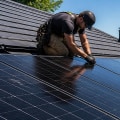
As the world increasingly shifts towards renewable energy, solar roofing systemssolar roofing systems have emerged as a groundbreaking solution for homeowners and businesses alike. These innovative systems not only harness the power of the sun to generate electricity but also enhance the aesthetic appeal and functionality of buildings. With a variety of options available, understanding the different types of solar roofing systems is essential for making informed decisions about energy efficiency and sustainability. This article will delve into the fascinating world of solar roofing, exploring various types that cater to diverse needs and preferences. Whether you are considering a solar roof for your home or your commercial property, knowing the strengths and weaknesses of each system can help you choose the right fit.
Join us as we uncover the unique features and advantages of each type, guiding you towards a greener future. The growing interest in solar energy has become a significant trend among homeowners looking to reduce their carbon footprint and save on energy costs. Understanding the different types of solar roofing systems is crucial for making informed decisions about energy independence and sustainability. This article will guide you through the various options available, helping you choose the best system for your needs. One of the most common options is traditional roof-mounted solar panels. These systems involve mounting photovoltaic (PV) panels on top of an existing roof structure.
The installation process typically includes assessing the roof's structural integrity, installing mounting brackets, and securing the solar panels onto these brackets. This type of system benefits from being relatively easy to install and can be adapted to most existing roofs. The costs for traditional roof-mounted solar panels can range from $15,000 to $30,000 depending on the system size and local installation rates. Homeowners can expect significant savings on energy bills, often recouping their initial investment within 5 to 10 years.
However, maintenance may be required to keep the panels clean and functioning efficiently. The lifespan of these systems is generally around 25 years, making them a durable choice. Another option gaining popularity is solar shingles. These are designed to look like traditional roofing materials while generating electricity. The installation involves replacing conventional shingles with solar shingles, which requires skilled labor but can blend seamlessly with the home's aesthetic.
Although they can be more expensive than traditional panels—ranging from $20,000 to $40,000—they provide a visually appealing alternative that can enhance curb appeal. Solar shingles also offer the advantage of being less obtrusive; however, they may have slightly lower efficiency compared to traditional panels. Homeowners can expect similar savings on energy bills but should consider that the lifespan of solar shingles is typically around 20-25 years. The third main type is integrated solar roof systems, which involve building-integrated photovoltaics (BIPV). These systems replace conventional roofing materials entirely with solar-generating components.
The installation process is more complex as it requires specialized knowledge and careful planning to ensure optimal performance and durability. Costs for integrated systems can vary widely but often exceed $30,000 due to their custom nature and advanced technology. While they offer an aesthetically pleasing solution that blends with modern architectural designs, potential savings on energy bills can be variable depending on the system's efficiency and size. The longevity of these systems is comparable to traditional panels, often lasting around 25 years. When considering solar roofing systems, it's essential to address common concerns such as maintenance requirements and overall efficiency.
Traditional roof-mounted systems typically require periodic cleaning and inspections, while solar shingles and integrated systems may need less maintenance due to their design. Efficiency varies among these types; traditional panels often outperform solar shingles, particularly in areas with high sunlight exposure, while integrated systems can sometimes lag behind due to their dual function as both a roof and a power generator. Aesthetics play a crucial role in homeowners' preferences for different solar roofing systems. While some homeowners prioritize energy efficiency above all else, others may prefer the sleek appearance of solar shingles or integrated systems over traditional panels. Environmental impact is another consideration; all three types contribute positively by reducing reliance on fossil fuels but may differ in their material sourcing and manufacturing processes. It's also important to acknowledge differing opinions on solar roofing systems.
Some homeowners may opt for traditional roof-mounted panels due to their proven track record and lower initial costs, while others might choose solar shingles or integrated systems for their aesthetic appeal and modern technology. Local regulations and incentives also influence decisions—certain regions may provide tax credits or rebates for specific types of installations, further guiding homeowners toward one system over another. Ultimately, understanding the main types of solar roofing systems—traditional roof-mounted panels, solar shingles, and integrated systems—can empower homeowners to make informed choices tailored to their unique needs and circumstances.
Solar Shingles
Solar shingles are an innovative alternative to traditional solar panels, designed to blend seamlessly into the roof of a home while generating clean energy. Unlike conventional solar panels, which are mounted on top of the existing roofing material, solar shingles are integrated directly into the roofing system. This integration allows them to serve a dual purpose: protecting the home from the elements while also harnessing solar energy. The primary difference between solar shingles and traditional panels lies in their design and installation.While solar panels are bulky and can alter the aesthetic of a home, solar shingles mimic the appearance of standard roofing materials, such as asphalt or slate. This makes them particularly appealing to homeowners who prioritize curb appeal and wish to maintain the architectural integrity of their homes. In addition to their visual advantages, solar shingles offer several practical benefits. They can be easier to install than traditional panels, as they do not require additional mounting structures. Furthermore, they typically have a longer lifespan and may even provide better performance in certain conditions due to their lower profile. The aesthetic appeal of solar shingles cannot be overstated.
Homeowners can enjoy the benefits of renewable energy without compromising on style or design. This makes solar shingles an attractive option for those looking to enhance their home’s value while contributing to a more sustainable future.
Traditional Roof-Mounted Solar Panels
Traditional roof-mounted solar panels are one of the most common types of solar roofing systems used by homeowners. These panels are typically installed on the surface of existing roofs, making them a popular choice for those looking to harness solar energy without completely replacing their roofing materials. The installation process involves securing the panels to the roof using mounting brackets, which ensures that they are properly angled to capture the maximum amount of sunlight. This method not only maintains the integrity of the existing roof but also allows for efficient energy production. In terms of efficiency, traditional roof-mounted solar panels generally have an efficiency rating ranging from 15% to 22%.This means that they can convert 15% to 22% of the sunlight they receive into usable electricity. Factors such as panel quality, orientation, and local climate can affect overall performance, but these systems have proven reliable for generating substantial energy over their lifespan. When it comes to costs, homeowners can expect to pay between $15,000 and $30,000 for a complete installation of traditional roof-mounted solar panels, depending on the size of the system and specific market conditions. It's important to consider that there are often federal and state incentives available that can significantly reduce the initial investment, making solar energy more accessible. Overall, traditional roof-mounted solar panels offer a practical solution for homeowners looking to invest in renewable energy while enhancing their home's energy efficiency. Understanding the nuances of this system is essential for making informed decisions about solar energy solutions.
Maintenance Tips for Solar Roofing
To ensure the longevity and performance of your solar roofing system, regular maintenance is essential.Here are some practical tips to keep your system in optimal condition:Regular Inspections: Schedule routine inspections at least once a year to check for any visible damage or debris accumulation. Look for cracked panels, loose wiring, or signs of wear that could affect performance.
Cleaning the Panels:
Dust, leaves, and bird droppings can accumulate on solar panels, reducing their efficiency. Clean the panels regularly using a soft brush or cloth with water. Avoid harsh chemicals that could damage the surface.Monitor Performance:
Keep an eye on your energy production.Most solar systems come with monitoring apps that provide real-time data. If you notice a significant drop in output, it could indicate a maintenance issue.
Check for Shade:
Ensure that no new obstructions are casting shadows on your solar panels. Trees or buildings may grow over time and reduce sunlight exposure, impacting energy generation.Professional Servicing:
While regular maintenance can be performed by homeowners, it’s wise to hire a professional for comprehensive servicing every few years. They can perform detailed checks and repairs that might not be visible to the untrained eye. By following these maintenance tips, you can maximize the lifespan and efficiency of your solar roofing system, contributing to your home’s energy independence and sustainability goals.Integrated Solar Roof Systems
Integrated Solar Roof Systems represent a cutting-edge solution for homeowners looking to harness the power of solar energy while simultaneously upgrading their roofing materials.Unlike traditional solar panel installations, which are added on top of existing roofs, integrated systems combine roofing materials with solar technology to create a seamless and aesthetically pleasing design. This innovative option offers several advantages. Firstly, integrated solar roofs are designed to be more visually appealing than conventional solar panels, as they come in various styles and colors that can match or enhance the home's architecture. Homeowners no longer need to compromise on aesthetics when opting for solar energy. Additionally, these systems often provide better durability and longevity. Integrated solar roofing materials are engineered to withstand harsh weather conditions, ensuring that they perform efficiently over time.
By combining solar energy generation with high-quality roofing, homeowners can achieve optimal energy efficiency and protection. Moreover, adopting an integrated system can contribute to energy independence, as these roofs generate electricity directly from sunlight, reducing reliance on traditional power sources. As the demand for renewable energy solutions continues to grow, understanding options like integrated solar roof systems becomes crucial for homeowners aiming for sustainability. In conclusion, integrated solar roof systems offer a unique and forward-thinking approach to solar energy that aligns with modern homeowners' values of sustainability and aesthetics. By choosing this option, you not only invest in your home’s future but also contribute positively to the environment.
Incentives and Rebates for Solar Installations
As homeowners consider solar roofing systems, it's essential to understand the financial landscape that can make these installations more accessible. Various incentives and rebates are available to significantly reduce the upfront costs associated with solar energy systems. One of the most substantial incentives is the federal tax credit, known as the Investment Tax Credit (ITC).This program allows homeowners to deduct a significant percentage of their solar installation costs from their federal taxes. As of 2023, the ITC offers a credit of 30% of the total system cost, making it a lucrative option for those looking to invest in solar technology.In addition to federal incentives, many states provide their own tax credits, rebates, or grants for solar installations. These state-level programs can vary widely, so it's crucial for homeowners to research local options. Some states even offer performance-based incentives, which pay homeowners for the energy produced by their solar panels over time. Utility companies may also offer rebates or incentives for homeowners who install solar systems.
These programs can include cash rebates or net metering policies that allow homeowners to sell excess energy back to the grid. By taking advantage of these utility offerings, homeowners can further reduce their overall costs. Finally, financing options such as solar loans or leases can help homeowners manage their investments in solar roofing systems. These financial products allow homeowners to pay for their systems over time while still benefiting from energy savings and potential incentives. Overall, understanding the available financial incentives and rebates is a crucial step in making solar energy a viable option for many homeowners. By leveraging these programs, individuals can enhance their journey towards energy independence and sustainability while significantly lowering their initial investment in solar technology.
Benefits and Costs of Each System
When considering solar roofing systems, it is essential to evaluate both the benefits and costs associated with each option.Understanding this can help homeowners make informed decisions that align with their financial and sustainability goals.
Traditional Solar Panels
are among the most common options. They generally have a lower initial cost compared to integrated systems, typically ranging from $15,000 to $25,000 for an average residential installation. The benefits include significant energy savings on utility bills and potential tax incentives. However, traditional panels require a separate mounting system and may not enhance the aesthetic appeal of a home.Solar Shingles
, on the other hand, offer a more visually appealing alternative.They can cost between $20,000 and $40,000 to install, reflecting their dual function as both roofing material and solar energy generator. The major benefits are their integration into the roofline, which can enhance curb appeal, and their potential for higher efficiency rates. However, the upfront investment is higher, and their availability may be limited depending on the region.
Building-Integrated Photovoltaics (BIPV)
represent another innovative solution. These systems replace conventional building materials with solar technology, making them ideal for new constructions.The costs for BIPV can vary widely but often exceed $30,000 due to their advanced technology and integration processes. While they provide excellent energy production capabilities and aesthetic integration, the initial costs can be a barrier for some homeowners.
Off-Grid Solar Systems
offer a complete energy independence solution for those looking to eliminate dependency on the grid. While initial costs can reach $40,000 or more due to battery storage requirements, the long-term benefits include reduced energy bills and resilience against power outages. However, the complexity of installation and maintenance can also be drawbacks. In summary, when comparing the costs versus benefits of each solar roofing system, homeowners should consider factors such as upfront investment, aesthetic preferences, energy savings, and long-term sustainability goals.This comparative analysis will aid in selecting the right system tailored to individual needs and circumstances.
Installation Process Overview
The installation process of solar roofing systems can vary significantly depending on the type chosen. However, there are general steps that are typically followed across most systems.1.Site Assessment
: The first step involves a detailed assessment of the site to determine its suitability for solar energy. This includes evaluating the roof's orientation, angle, and shading from surrounding structures or trees.2.Design and Planning
: After the assessment, a customized design plan is created. This takes into consideration the homeowner's energy needs, budget, and aesthetic preferences.The design may involve the selection of specific solar panels, inverters, and mounting systems.3.
Permitting
: Before installation can begin, necessary permits must be obtained from local authorities. This ensures that the installation meets all building codes and regulations.4.Installation Preparation
: Once permits are secured, the installation team prepares the site. This may involve removing existing roofing materials, repairing the roof if necessary, and ensuring that structural components can support the weight of the solar system.5.Mounting System Installation
: The next step is to install the mounting system that will hold the solar panels in place. This includes securing brackets to the roof structure that will provide a stable base for the panels.6.Panel Installation
: With the mounting system in place, the solar panels are carefully installed.This process requires precision to ensure optimal alignment and performance.7.
Electrical Connections
: After the panels are mounted, electrical connections are made between the solar panels and the inverter, which converts solar energy into usable electricity for the home.8.System Testing
: Once everything is connected, the system undergoes testing to ensure that it operates correctly and efficiently. Any issues identified during testing are addressed before finalizing the installation.9.Inspection
: In many regions, a final inspection by local authorities is required to verify that the installation complies with all regulations and standards.10.Education and Maintenance
: Finally, homeowners receive education on how to monitor their system's performance and maintenance tips to ensure longevity. By understanding these general steps involved in installing different types of solar roofing systems, homeowners can better navigate their options and make informed decisions toward achieving energy independence. In conclusion, we have explored the different types of solar roofing systems available to homeowners today, each offering unique benefits and considerations. From traditional roof-mounted solar panels to innovative solar shingles and integrated solar roof systems, there are options to suit various preferences and budgets. Understanding the benefits and costs associated with each system is crucial for making an informed decision. As we discussed, factors such as installation processes and maintenance requirements also play an important role in the overall experience of using solar roofing.Additionally, it is essential to consider local conditions, including climate and energy needs, when selecting the right system for your home. We encourage you to take advantage of available incentives and rebates, which can significantly lower the upfront costs of installation. By doing thorough research and evaluating your specific circumstances, you can find a solar roofing solution that contributes to energy independence and sustainability.